What You Want to Ask Is: What Caused the Dementia?
Alzheimer’s is the most common type of dementia, but it is just one cause. In this short Q & A, watch Stanford Neurologist Dr. Kerchner explain the importance of getting an accurate diagnosis.
Alzheimer’s is the most common type of dementia, but it is just one cause. In this short Q & A, watch Stanford Neurologist Dr. Kerchner explain the importance of getting an accurate diagnosis.
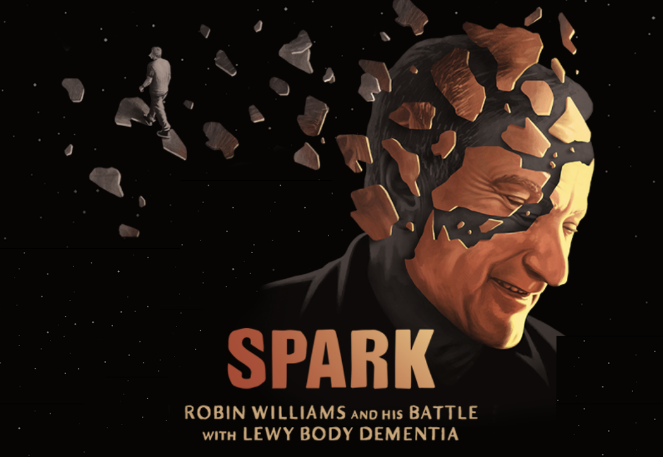
TRAILER: Robin Williams and his battle with Lewy Body Dementia.
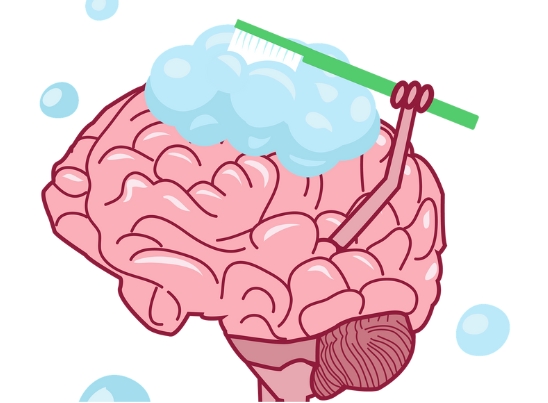
The “glymphatic system” removes brain waste. It may be a powerful new target to treat Alzheimer’s. Learn why scientists believe Alzheimer’s may arise when the system is not doing its cleaning properly.

Strength is not in our muscles.
It is in our soul and spirit.

Once a week, a chorus of people with Alzheimer’s and dementia rehearse side-by-side with their caregivers. The songs they sing are, remarkably, often from memory. Watch the Giving Voice Chorus in action.
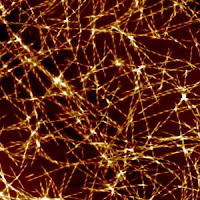
Plaques are the best-known Alzheimer’s culprit. Cambridge scientists have figured out the 7 steps to forming these plaques. Find out how targeting the formation of these “oligomers” may hold the key to a cure.

UCLA researchers found active people build 5% more gray matter in their brain. See how this prevents Alzheimer’s.
Learn about The Alzheimer’s Society of Canada’s campaign to bust the stigma of dementia.
Discover 6 easy ways you can make a difference.
To get a definite diagnosis of Alzheimer’s requires an F18 brain scan, costing $3,000. Can the olfactory nerves’ ability to sense peanut butter offer an alternative Alzheimer’s test? It certainly seems accurate enough, at 1/1000th the cost!

WHEN DIAGNOSING DEMENTIA, NEUROLOGISTS KNOW that nothing is as important as spending time face-to-face. Understanding symptoms and clinical clues in exams are the critical aspects of neurology. Learn how America’s healthcare system holds up to this standard.

There is in every true person’s heart a spark of heavenly fire Which kindles up, beams and blazes, In the dark hour of adversity.
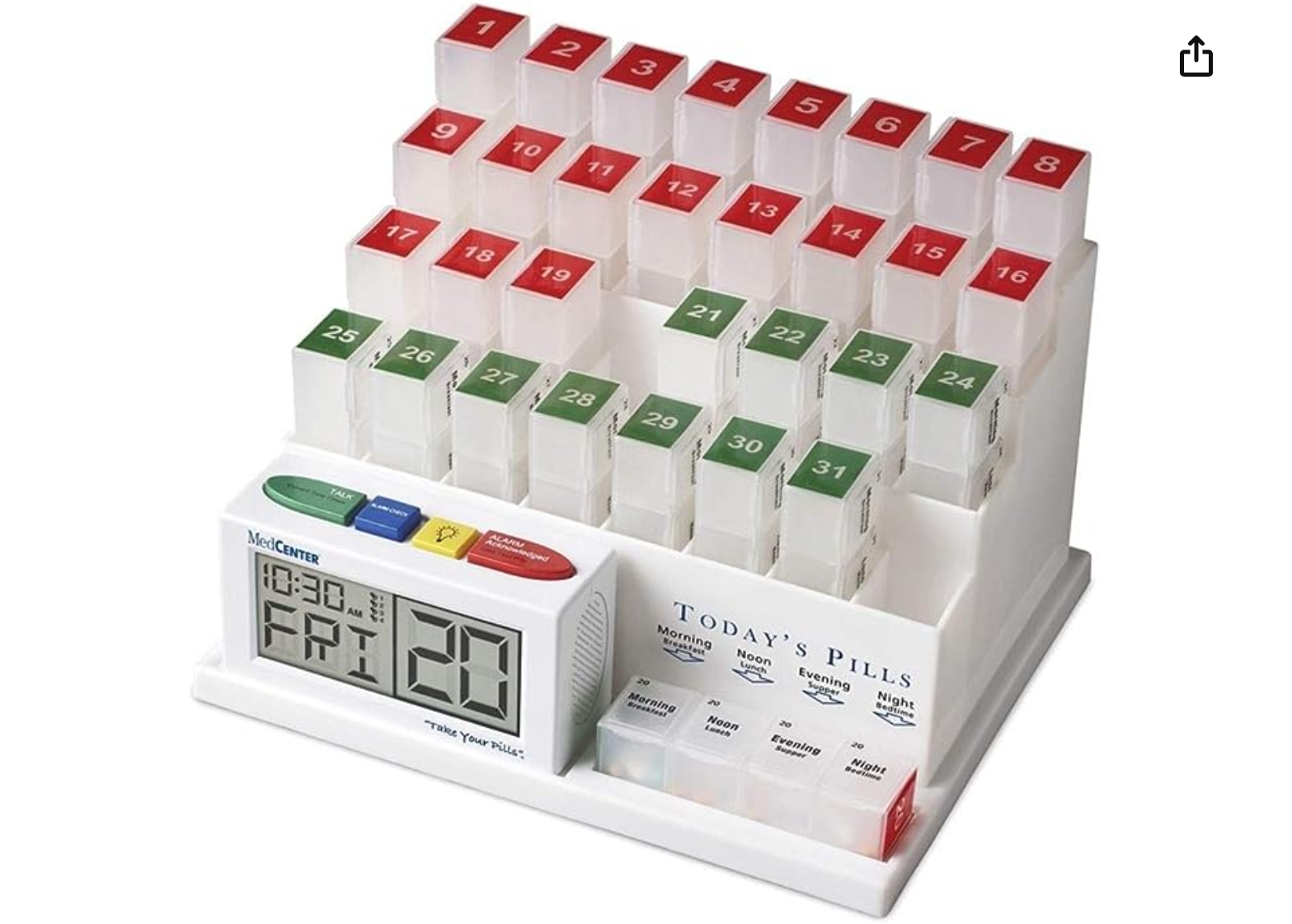
PRODUCT OF THE WEEK: Caregivers love this pill box, as do patients and professionals. Simply fill it once a month. Roomy, simple, ingenious.

How much protection can frequent spatial processing tasks offer against Alzheimer’s? Researchers in The British Medical Journal investigate.
SHORT-TERM MEMORY lapses are obvious signs of Alzheimer’s, but other tell-tale signals begin to show much earlier. Learn how to look for semantic impairments, such as simple questions about size.

Three important dementia studies focus on HS-AGING, a type of dementia almost as common as Alzheimer’s in the 85+ group. Yet few people have heard of it. Why? What makes it different?
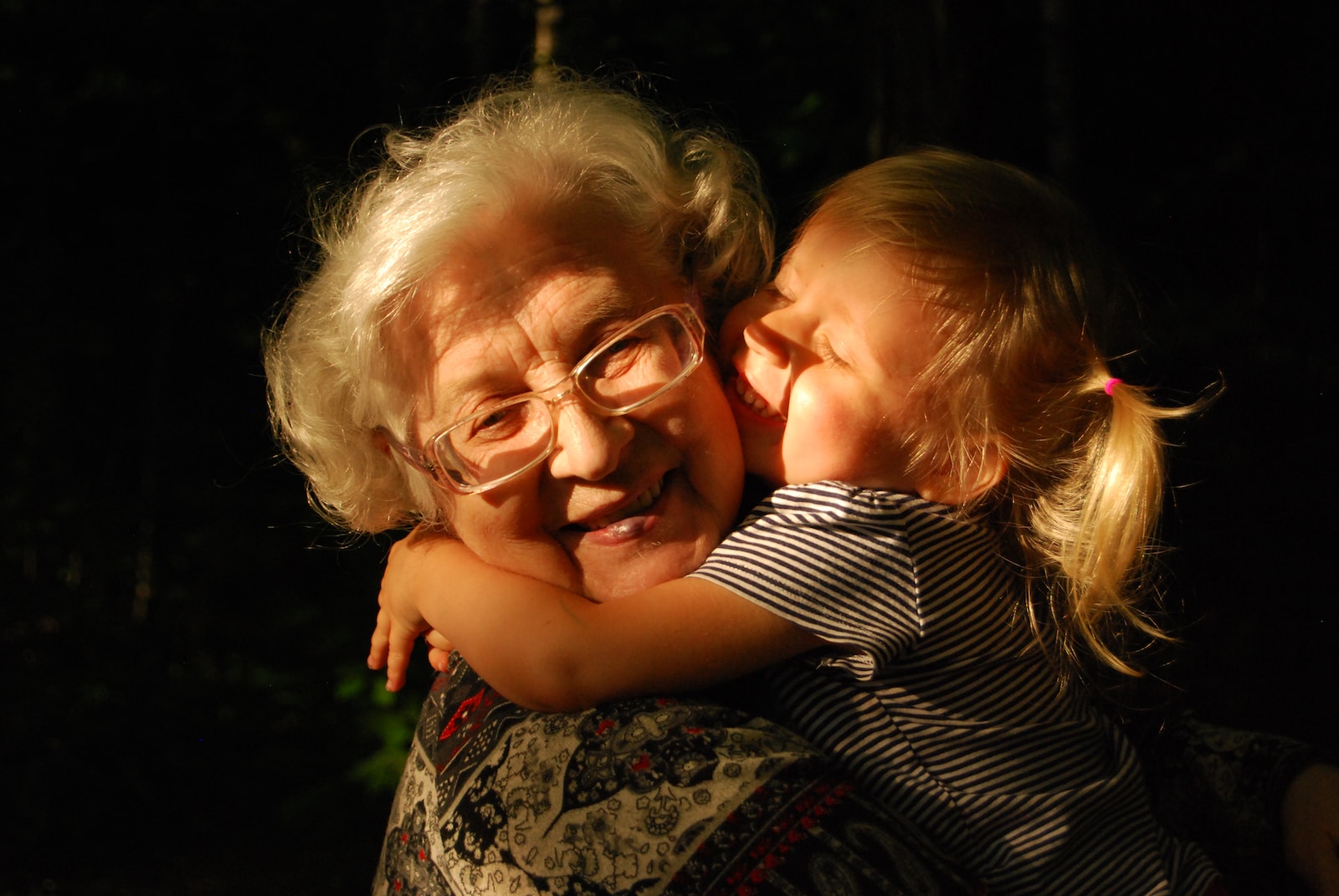
An intriguing study of 120 grandmothers might surprise you. Doctors know socially engaged people have better cognition and less dementia. But can a person get too much of a good thing? What’s the right balance?

Enjoy this great duet between a musician with dementia and his son. A triumph of spirit over Alzheimer’s! Sing-a-long if you like!